Weigh the advantages and disadvantages of switching to premium jute folders for your corporate filing, event planning, and legal document organization needs.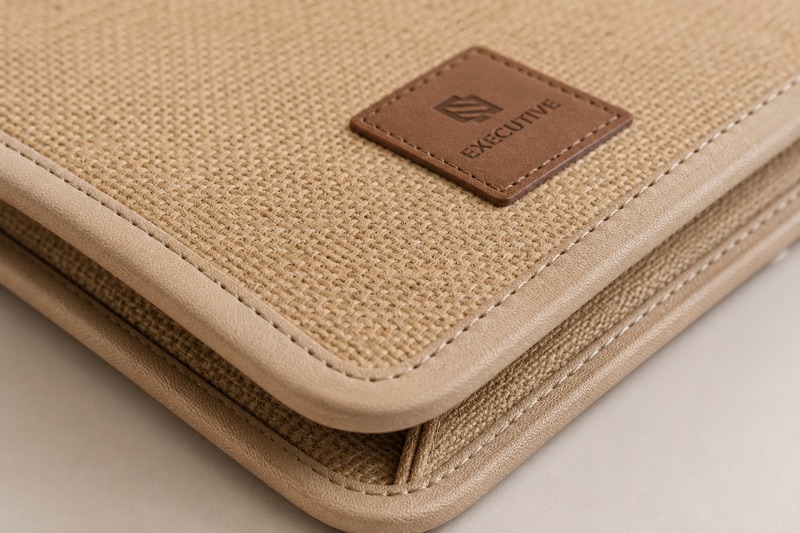
As modern enterprises shift toward conscious workspace design and sustainable workflows, traditional office supplies are getting a major overhaul. Single-use vinyl binders and brittle plastic sleeves are rapidly being replaced by natural fiber alternatives that respect the planet. Among the top contenders leading this green office revolution is the premium jute folder. However, making a smart procurement choice for your organization requires a balanced understanding of its operational advantages and potential limitations. Exploring the true pros and cons of integrating jute portfolios into your daily routine helps ensure your files remain secure while your professional style stays sharp.
The Pros: Why Jute Excels in Professional Settings
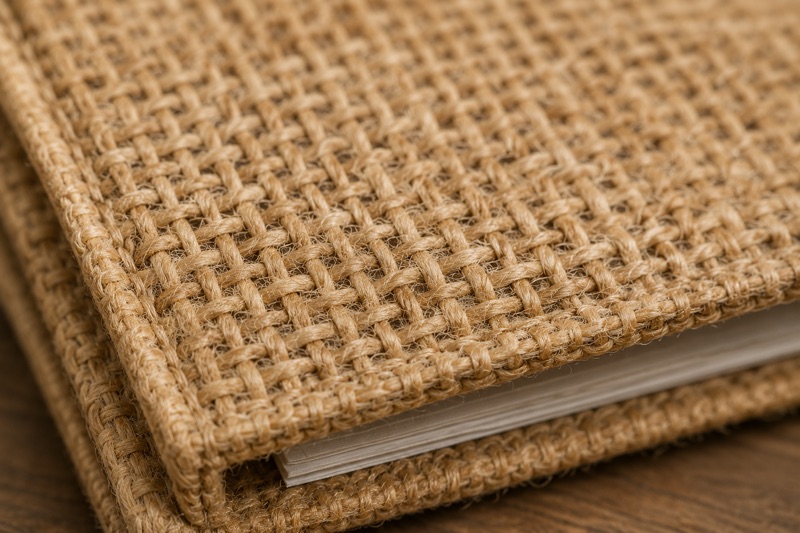
Exceptional Longevity and Strength: Jute is globally celebrated for its high tensile strength and natural tear resistance. Unlike paper folders that fray at the corners or plastic binders that crack under heavy loads, a structured jute portfolio can withstand years of intense daily transit, making it a reliable choice for carrying bulky legal briefs or outdoor event blueprints.
A Bold, Premium Aesthetic: In a boardroom dominated by generic, cold office supplies, the organic weave of a jute folder instantly commands attention. It adds a sophisticated tactile warmth to your presentation and pairs beautifully with executive desk decor, especially when customized with deep accents like rich wine-colored borders or elegant debossed branding.
Unmatched Environmental Benefits: Jute is entirely biodegradable, compostable, and grows incredibly fast without the need for toxic pesticides or intensive irrigation. Switching to jute actively reduces your company's plastic waste and supports a circular, eco-friendly supply chain.
Excellent Protection from Daily Wear: The thick, dense nature of woven jute creates a sturdy physical barrier that cushions your documents against drops, bending, and accidental scrapes while you travel between meetings.
The Cons: Limitations to Keep in Mind
Sensitivity to Heavy Moisture: Because jute is a highly absorbent natural plant fiber, it does not mix well with prolonged exposure to water or heavy rain. While it easily survives a minor splash, leaving a jute folder in a damp environment can risk mildew, unlike waterproof plastic alternatives.
Initial Textural Roughness and Shedding: Low-grade or raw jute has a distinct, rustic roughness and can occasionally shed tiny loose fibers onto clothing. To avoid this in a formal setting, it is crucial to invest in premium, high-quality corporate jute folders that have been specifically treated and lined to ensure a smooth finish that won't compromise a tailored business suit.
Higher Upfront Investment: Mass-produced plastic folders cost pennies because they are built to be disposable. Jute folders require a higher initial purchase price due to the artisan weaving, material sourcing, and specialized construction involved. However, this cost is typically offset over time by their extended lifespan and reuse value.
Design Constraints for Printing: Jute’s rich, uneven texture makes it unsuited for hyper-detailed, multi-color photographic printing. It is highly optimized for bold typography, clean screen printing, and sophisticated embroidery, which means complex graphic designs must be adapted to fit the fabric's natural look.


0 Comments